 Official Louisiana State Websites use .la.gov
  Secure .gov websites use HTTPS
RRP Lead-Based Paint
Lead-contaminated paint dust is a major source of childhood lead exposure. Lead paint dust can come from deteriorating lead-based paint, and from lead contaminated soil. Common renovation activities like sanding, cutting, and demolition can create hazardous lead dust. The Lead Renovation, Repair, and Painting Program (RRP) Rule is a set of regulations that aims to minimize exposure from lead-based paint dust during renovation, repair, or painting activities.
The rule applies to all firms and individuals (renovators) who perform renovation, repair, or painting activities for compensation in homes (target housing) and child occupied facilities (COFs) built prior to 1978. This includes home improvement contractors, maintenance workers, painters, and other specialty trades such as plumbers, carpenters, electricians, etc. The rule does not apply to homeowners doing projects in their own homes, unless they rent out all or part of the home, operate a child care center in the home, or if they buy, renovate, and sell homes for profit (house flipping).
The rule is designed to reduce lead contamination by requiring renovators to be trained in the use of lead safe work practices, renovators and firms to be certified, providers of renovation training to be accredited, and that renovators follow specific work practice standards.
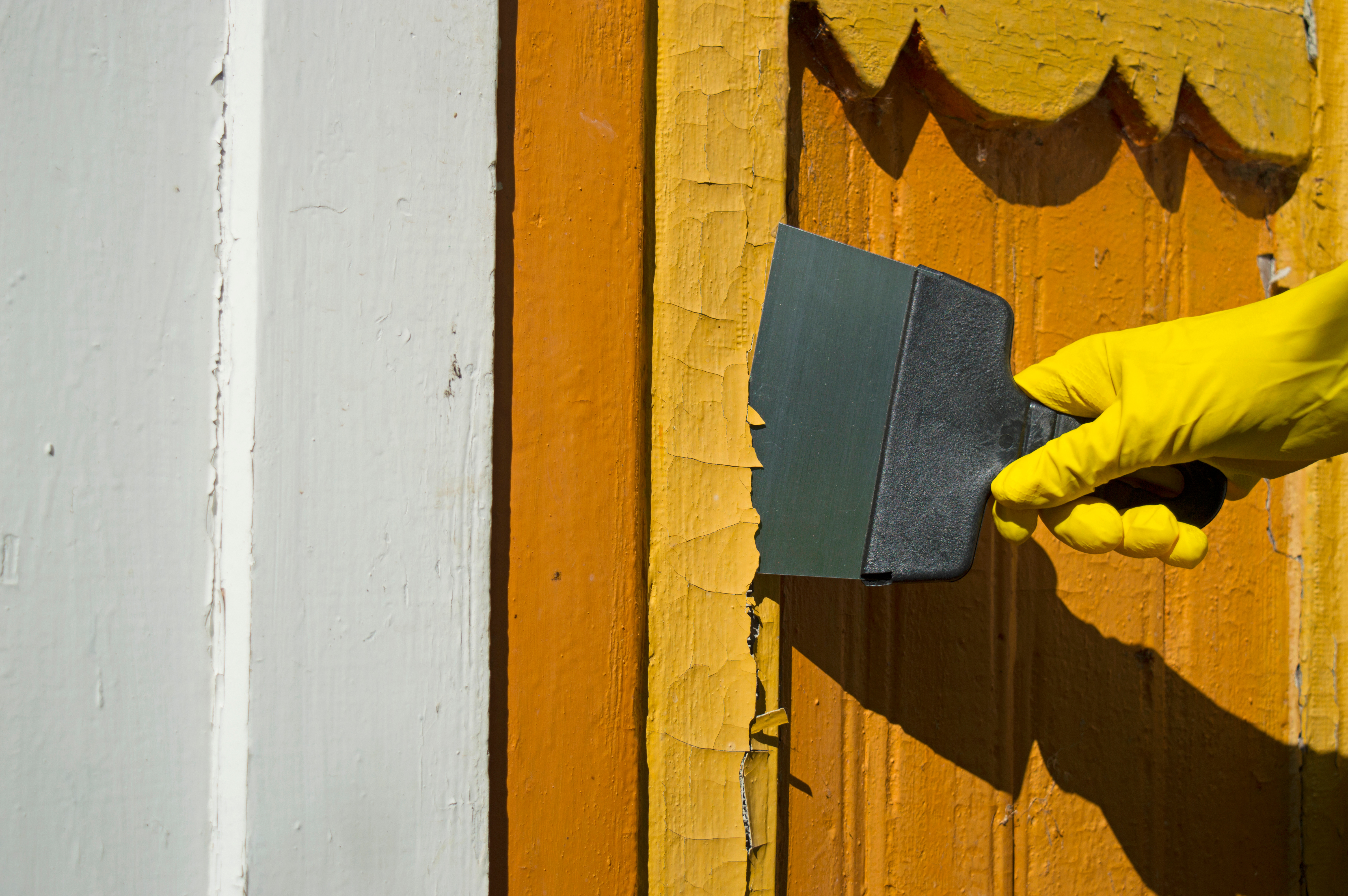
Renovation includes activities such as removing, modifying or repairing painted surfaces or painted components (such as modifying painted doors, surface restoration, window repair, and surface preparation activities like sanding and scraping, or other such activities that may generate paint dust), removing building components (such as walls, ceilings, plumbing, or windows), weatherization projects (such as cutting holes in painted surfaces to install blown-in insulation or to gain access to attics, or planing thresholds to install weather-stripping), and interim controls that disturb painted surfaces. The term renovation does not include minor repair and maintenance activities (activities that disturb less than six square feet of painted surfaces on the interior of a building or more than 20 square feet on the exterior of the building). A renovation performed to convert a building, or part of a building, into target housing or a child-occupied facility is a renovation. Temporarily unoccupied or vacant buildings are not exempt from the requirements.
Before beginning work, the rule requires renovators to provide a copy of the Lead-Safe Certified Guide to Renovate Right pamphlet to homeowners, building managers, day care centers, schools and occupants of target housing and child-occupied facilities.
During renovation certain work practice standards must be followed. Work practice standards include requirements such as posting signage defining the work area, providing containment to isolate the work area so that no dust or debris leaves the work area while the renovation is being performed, containing waste for storage, transport and disposal, and cleaning the work area after the renovation is completed. The rule also strictly prohibits or restricts certain practices during a renovation.
After completion, the renovation firm must provide a notice of completion with specific information regarding the renovation to the building owner, adult occupant of the residential home, or COF. Certain records related to the renovation must be retained for at least 3 years following completion of the renovation.
The current version of the Renovate Right pamphlet can be purchased from the Government Printing Office (GPO) online catalogue in packets of ten booklets. As of December 2008, 406(b) renovators are required to distribute these pamphlets.
This is a federal program which is not being promulgated by LDEQ. Please contact EPA regarding questions on the federal regulations.
You can learn about the EPA's Renovate Right Program through their official guidance, which explains safe work practices for handling lead‑based paint during renovation activities. Their resources outline certification requirements, training, and compliance steps for contractors and property managers.
You can learn about the EPA’s lead program program directly from their official resources, which explain how to stay safe and comply with lead‑related regulations.