 Official Louisiana State Websites use .la.gov
  Secure .gov websites use HTTPS
Radiation
The Louisiana Department of Environmental Quality’s Radiation Section is responsible for ensuring the safe use of radiation throughout the state. Our work centers on two primary functions: licensure of individuals and facilities that use radiation, and inspection to verify compliance with state and federal requirements. These efforts help protect the public, workers, and the environment from unnecessary exposure.
Radiation regulation is shared between state and federal agencies. LDEQ maintains regulatory authority in several key areas through agreements with the U.S. Nuclear Regulatory Commission (NRC) and the U.S. Food and Drug Administration (FDA). This includes oversight of Radioactive Materials Licensure and Inspection Program, X-Ray Registration and Inspection Program (including Mammography), Naturally Occurring Radioactive Material (NORM), Reciprocity Program, and the Industrial Radiography Certification Program.
Through these programs, LDEQ helps ensure that radiation sources are properly controlled, regularly inspected, and used in ways that keep exposure as low as reasonably achievable while supporting important services we rely on every day.
In addition to these programs, the Radiation Section includes a specialized subgroup, Radiological Emergency Planning and Response, that coordinates with federal partners on matters related to nuclear power plants, ensuring preparedness and ongoing safety.
Programs
LDEQ licenses and inspects facilities and individuals that use radioactive materials in Louisiana. Before a license is issued, applications are reviewed to ensure safety, security, and technical requirements are met. Licensed facilities are routinely inspected to confirm they are operating safely and following approved procedures. LDEQ also provides guidance to help keep radiation exposures as low as reasonably achievable and takes enforcement action when necessary to protect public health and the environment.
LDEQ maintains a specialized subgroup dedicated to coordination with utilities and Federal partners related to nuclear power plant safety. This team works closely with federal agencies, including the EPA, NRC, and FEMA, to ensure preparedness and compliance with safety requirements. Responsibilities include environmental monitoring, emergency planning, and participation in federally mandated drills. The subgroup also reviews plant operations and reports to ensure transparency and public safety. Their work helps maintain a strong safety framework around nuclear facilities in the state.
Radiation in Perspective
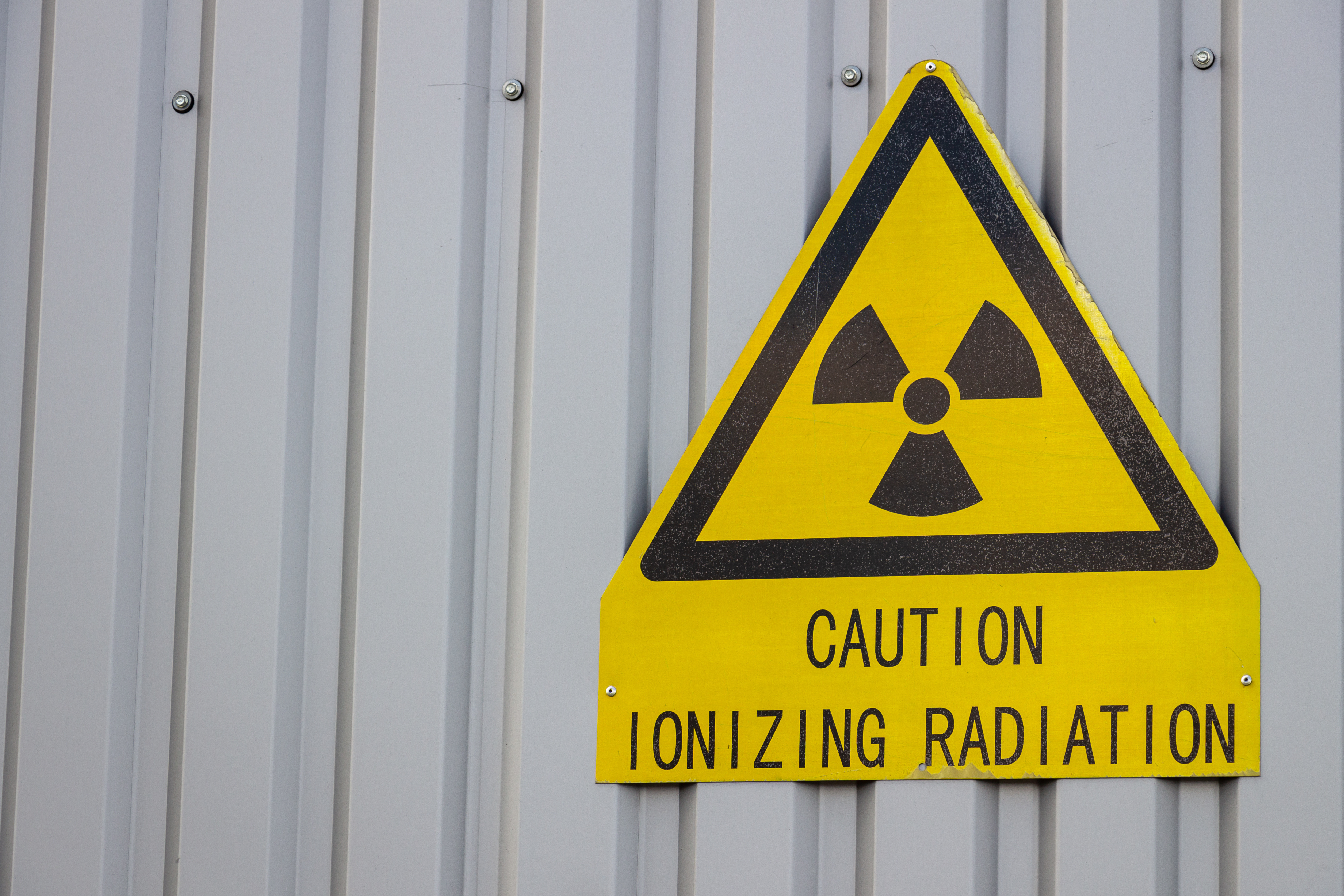
Radiation exposure is measured in units called rem, most often expressed as millirem (mrem), which are one-thousandth of a rem. These units are used to describe how radiation affects the human body.
Everyone is exposed to small amounts of radiation every day from natural sources such as the earth, the sun, and naturally occurring radioactive materials in our environment. Medical procedures like X-rays and CT scans can also contribute to an individual’s exposure.
Health effects from radiation depend on the amount of exposure, the length of time, and how the exposure occurs. Very low levels of radiation, such as those encountered in everyday life or from properly regulated activities, have not been shown to cause immediate health effects. Higher doses received over a short period of time can cause biological effects, which is why strict limits and safety standards are in place.
Federal radiation safety standards are established and enforced by the U.S. Nuclear Regulatory Commission (NRC). These standards limit radiation exposure to:
- No more than 5,000 mrem per year for workers who are trained and monitored to work with radiation
- No more than 100 mrem per year for members of the public from licensed nuclear facilities
These limits are set well below levels known to cause harm and are designed to protect public health with a wide margin of safety.
Contact the Radiation Section for more information